Are you drawn to rich woodwork, deep porches, and the glow of art glass? If so, Pasadena’s Craftsman homes may be exactly what you’ve been searching for. Buying a vintage house can feel exciting and a bit overwhelming, especially if you want true character without expensive surprises. In this guide, you’ll learn how to spot authentic details, where to find the best neighborhoods, what to inspect, and which updates protect long-term value. Let’s dive in.
What makes a Pasadena Craftsman
Pasadena has one of the country’s best collections of American Craftsman architecture, from modest bungalows to grand homes. The style grew from the Arts and Crafts movement and flourished from about 1900 to 1930. Local masters Greene and Greene set a high standard for craftsmanship, with the Gamble House as a renowned example.
Exterior hallmarks to recognize
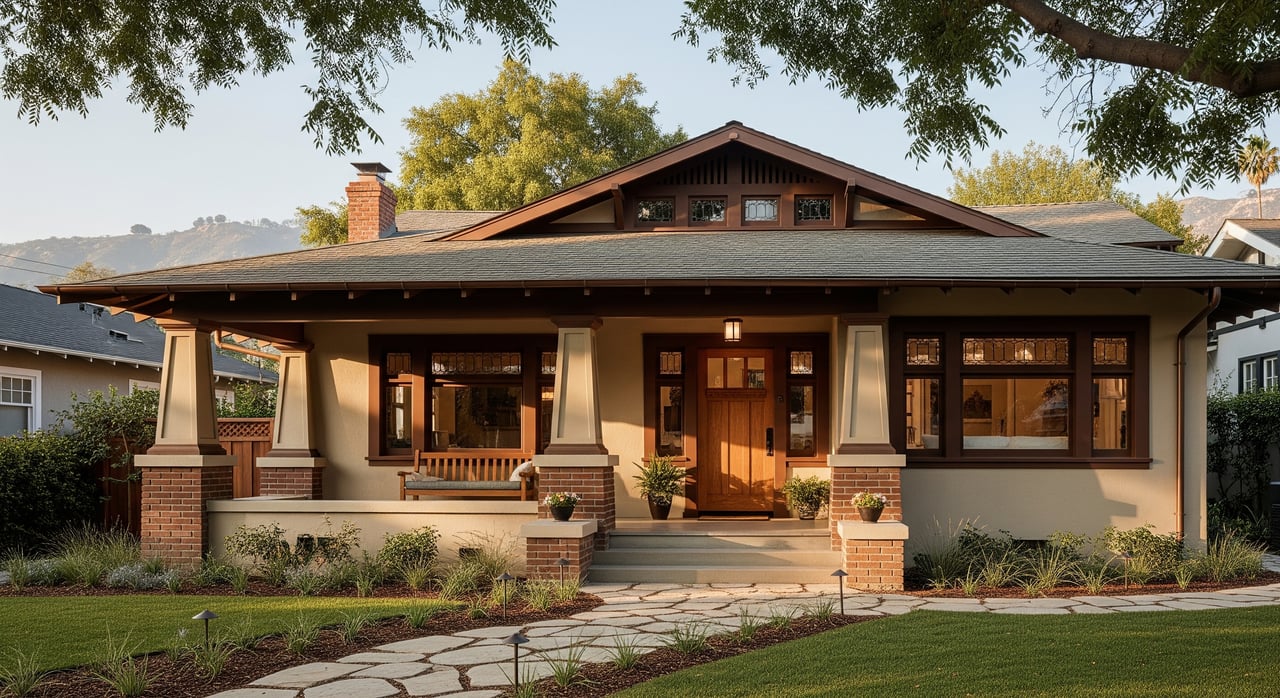
- Low-pitched gabled roofs with wide overhanging eaves.
- Exposed rafter tails and decorative beams or knee braces.
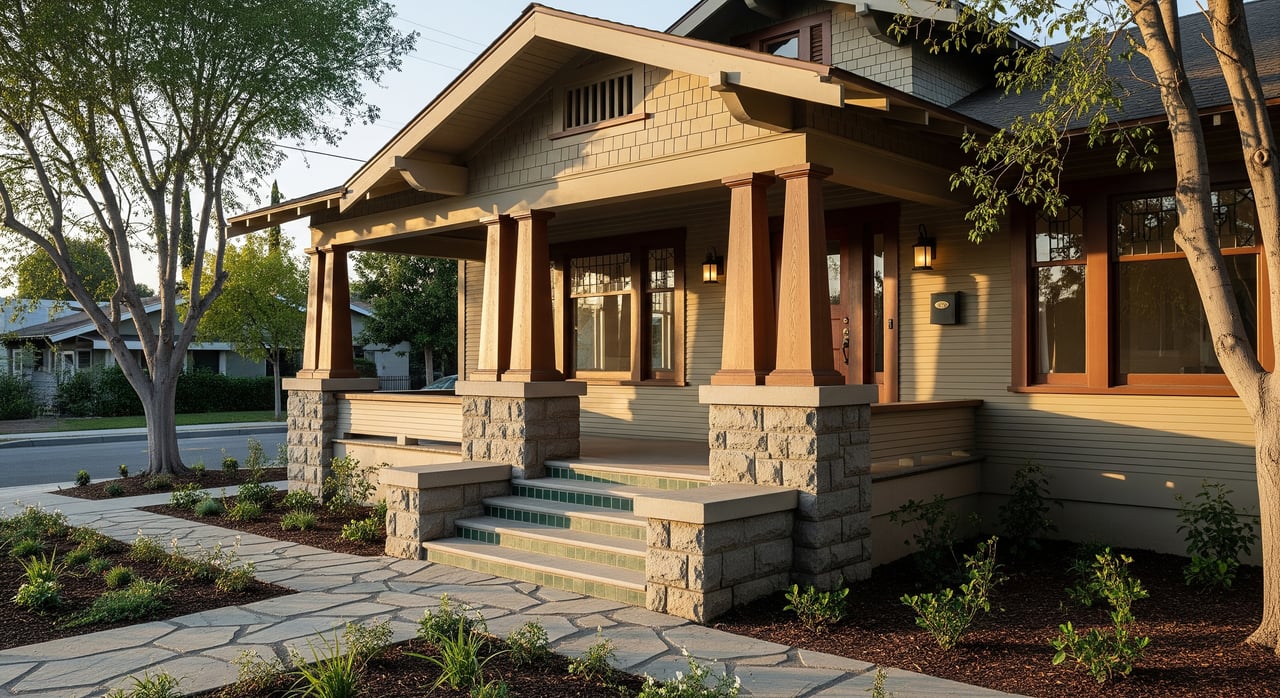
- Deep front porches with thick square or tapered columns set on stone or brick piers.
- Natural materials such as wood shingles or clapboard, brick chimneys, and visible joinery.
These details signal authenticity and often drive demand and price among buyers seeking character.
Interior character to love
- A central fireplace that anchors living spaces.
- Built-ins like bookcases, window seats, and dining room sideboards.
- Natural woodwork, often quarter-sawn oak, with substantial trim and exposed beams.
- Original hardwood floors and leaded or art glass in higher-end examples.
- Floor plans that favor intimate, defined rooms and generous porches that extend living outdoors.
Alterations to watch
- Added dormers or large second-story additions that change the roofline and massing.
- Vinyl window replacements or removal of built-ins and original trim.
- Enclosed porches or synthetic cladding over original wood siding.
- Kitchens and baths that ignore scale and materials and strip out character-defining features.
If you can tell original work from later changes, you can better judge value and restoration potential.
Where Craftsman homes cluster
Craftsman homes appear across Pasadena, but some areas offer the strongest street-to-street character.
Bungalow Heaven highlights
Bungalow Heaven is Pasadena’s most famous concentration of early 20th-century bungalows. You’ll find many intact examples, cohesive streetscapes, and frequent neighborhood walking tours. If you want a true bungalow neighborhood setting, this district is a prime place to focus.
Other pockets to explore
Look to older neighborhoods north and east of the central business district and areas near the Arroyo and the bluffs. You’ll see a range of sizes, from simple bungalows to larger homes with more formal rooms and upstairs bedrooms.
Market dynamics to expect
Homes with well-preserved period details and thoughtful restorations often command a premium. Buyers value authentic features, tree-lined streets, and proximity to downtown, schools, and transit. For exact pricing trends and competition levels, rely on fresh local comps and expert guidance.
How to evaluate condition and authenticity
A focused walk-through will help you understand what you are buying and how to plan updates. Use the checklist below during tours.
Exterior checklist
- Roof: look for sagging, worn shingles, or altered rooflines.
- Eaves and rafters: check for rot, peeling paint, or insect damage.
- Foundation and porch piers: look for cracks, settlement, or newer underpinning.
- Siding: confirm original wood; note any stucco or synthetic coverings.
- Windows and art glass: check for original sashes, broken panes, or incompatible replacements.
- Porch columns and masonry: confirm profiles are original and in sound condition.
Interior checklist
- Built-ins and trim: confirm presence and condition of sideboards, bookcases, mantels, and doors.
- Floor plan: look for removed walls or changes that disrupt the original arrangement.
- Fireplace and chimney: check for cracks, liner status, and past repairs.
- Mechanical systems: note age and condition of the electrical panel, plumbing, water heater, and HVAC.
- Moisture: inspect baths, kitchens, and crawlspaces for leaks, mold, or wood decay.
Site and neighborhood
- Drainage and grading: verify water moves away from the foundation.
- Trees: check proximity of large roots to walkways and the foundation.
- Parking: confirm practical off-street options, since many bungalows predate car-centric design.
Preservation, permits, and incentives
Pasadena has an active preservation community and clear processes for historic resources. Understanding the basics will help you plan updates and budget wisely.
Historic designation basics
Some homes are individual landmarks or part of historic districts. Designation can influence approvals for exterior changes and demolition reviews. Ask the seller and the City of Pasadena Planning Department or Historic Preservation staff about current status before you write an offer. If a property is designated, request any guidelines or conditions in place.
Mills Act overview
California’s Mills Act allows cities to enter contracts that reduce property taxes for owners who agree to maintain historic properties. Availability is local and can change. Confirm whether a property already has a Mills Act contract, and ask the city if new contracts are currently offered.
What you can update
Historic homes can be modernized while preserving character. The key is to keep defining features and scale. Nationally accepted rehabilitation principles and preservation briefs emphasize repairing, not replacing, historic materials when feasible, and placing additions where they are visually subordinate to the original structure.
Value-smart updates that respect character
Thoughtful improvements can boost comfort, safety, and long-term value while protecting original features.
Mechanical and safety upgrades
- Electrical: upgrade to modern service and replace knob-and-tube wiring while protecting visible woodwork.
- Plumbing: replace galvanized pipes with copper or PEX; keep original fixtures that define the style.
- HVAC: favor discrete ducting or high-efficiency mini-splits to avoid invasive runs through trim and floors.
- Seismic: add bolting and appropriate connections for older foundations common in vintage homes.
Repair and restoration priorities
- Windows: repair original wood windows and consider storm inserts rather than wholesale replacement.
- Floors and siding: refinish hardwood floors and repair wood siding; replicate trim profiles where needed.
- Built-ins and art glass: clean, repair, and protect irreplaceable features.
Sensitive kitchens, baths, and additions
- Keep original storage where possible and match scale with period-sensitive cabinetry and hardware.
- Use natural materials where visible from the street.
- Place additions at the rear and step them down from the main roof so the original facade remains dominant.
Budget planning for a vintage home
Older homes often require a higher maintenance budget. Build in a contingency for surprises uncovered during inspections. Common categories include:
- Cosmetic restoration: paint, floors, hardware.
- Systems upgrades: electrical, plumbing, HVAC.
- Structural and moisture: foundation work, roof, termite or dry rot repair.
- Preservation work: window repair, art glass restoration, built-in repair.
As a general practice, many buyers set aside a contingency reserve in the range of 5 to 15 percent of the purchase price, then adjust based on inspection findings and scope.
Due diligence and inspections
Vintage homes reward careful due diligence. Start early and get the right experts involved.
Before you tour
- Review Los Angeles County Assessor records for year built and property history.
- Request disclosures on alterations, permits, and any known structural or termite issues.
- Check whether the property is in a historic district or carries a designation.
Specialized inspections to schedule
- General home inspection for overall condition.
- Structural engineer if you see sagging floors, foundation movement, or large additions.
- Pest and termite inspection, since wood-destroying organisms are common in older homes.
- Historic-building contractor or preservation architect for restoration scoping and costs.
- Licensed HVAC, plumbing, and electrical specialists for system-specific evaluations.
- Lead paint and asbestos inspections for homes built before 1978, with abatement guidance as needed.
How a local expert guides your purchase
Buying a Pasadena Craftsman is both an aesthetic choice and a strategic one. You want a house with authentic details, in a neighborhood that fits your life, and with smart improvements that will hold value. That is where a data-savvy, local approach makes a difference.
With a background in corporate marketing and analytics, plus deep Pasadena market knowledge, you get tactical guidance on pricing, location trade-offs, and restoration potential. You also get hands-on transaction management that keeps inspections, permits, and timelines on track, supported by a strong brokerage platform. The result is a more confident purchase and a smoother path to closing.
If you are ready to walk Bungalow Heaven, compare options near the Arroyo, or study a potential Mills Act property, reach out for a focused game plan tailored to your goals.
Ready to find your Pasadena Craftsman? Connect with Giusy Mele-Brown for local market insight, smart strategy, and a calm, concierge experience from search to keys.
FAQs
How can I spot authentic Craftsman features?
- Look for original wood windows, built-ins, natural wood trim, art glass, intact porch columns, and an unchanged roofline with exposed rafters.
Will historic designation stop me from updating?
- No. You can usually modernize systems and interiors, but exterior changes may require review. Ask the city about guidelines and approvals before planning work.
Which modern upgrades protect value in a Craftsman?
- Prioritize electrical, plumbing, HVAC, seismic improvements, and careful restoration of windows, floors, and built-ins while keeping character-defining features.
What changes tend to hurt long-term value?
- Removing built-ins or original windows, enclosing porches, covering wood siding with synthetic materials, and oversized additions that dominate the original facade.
Are there tax incentives for Pasadena historic homes?
- Some properties may benefit from the Mills Act, which can reduce property taxes in exchange for preservation commitments. Confirm current availability with the city.
What inspections are most important for a 1900–1930 home?
- A general inspection, pest and termite check, and evaluations by structural, electrical, plumbing, and HVAC specialists. For pre-1978 homes, consider lead and asbestos testing.
Do Pasadena Craftsman homes sell for a premium?
- Homes with strong original details and quality restorations often command a premium. Use current local comps and expert guidance to assess pricing and competition for a specific property.