Wondering which Sierra Madre home style fits your life best? Between historic bungalows near the village and view-filled hillside builds, the choices can feel overwhelming. You want character, comfort, and smart resale potential without surprises. In this guide, you’ll learn how to spot the main architectural styles, understand typical floor plans and lots in the foothills, and focus on the features that matter most for value. Let’s dive in.
Sierra Madre at a glance
Sierra Madre sits on the western slope of the San Gabriel Mountains. The city blends a compact historic downtown, early 20th-century neighborhoods with tree-lined streets, and steeper foothill areas with panoramic views. This topography creates distinct micro-neighborhoods that feel very different block to block.
You will often choose between two broad lifestyle tradeoffs. Near downtown, you get walkable streets, smaller flat lots, and classic homes with period details. In the foothills, you get privacy, dramatic views, and multi-level homes adapted to slope. Both options can offer strong resale when the property is well maintained and thoughtfully updated.
Spot the main home styles
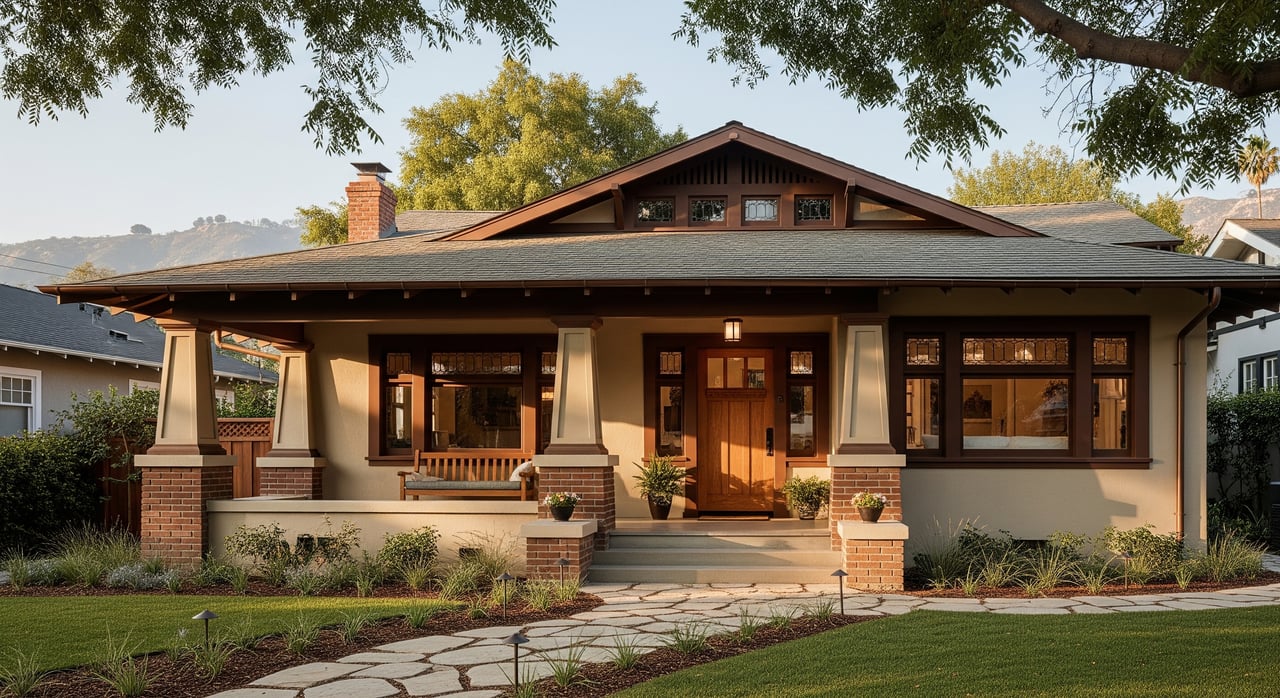
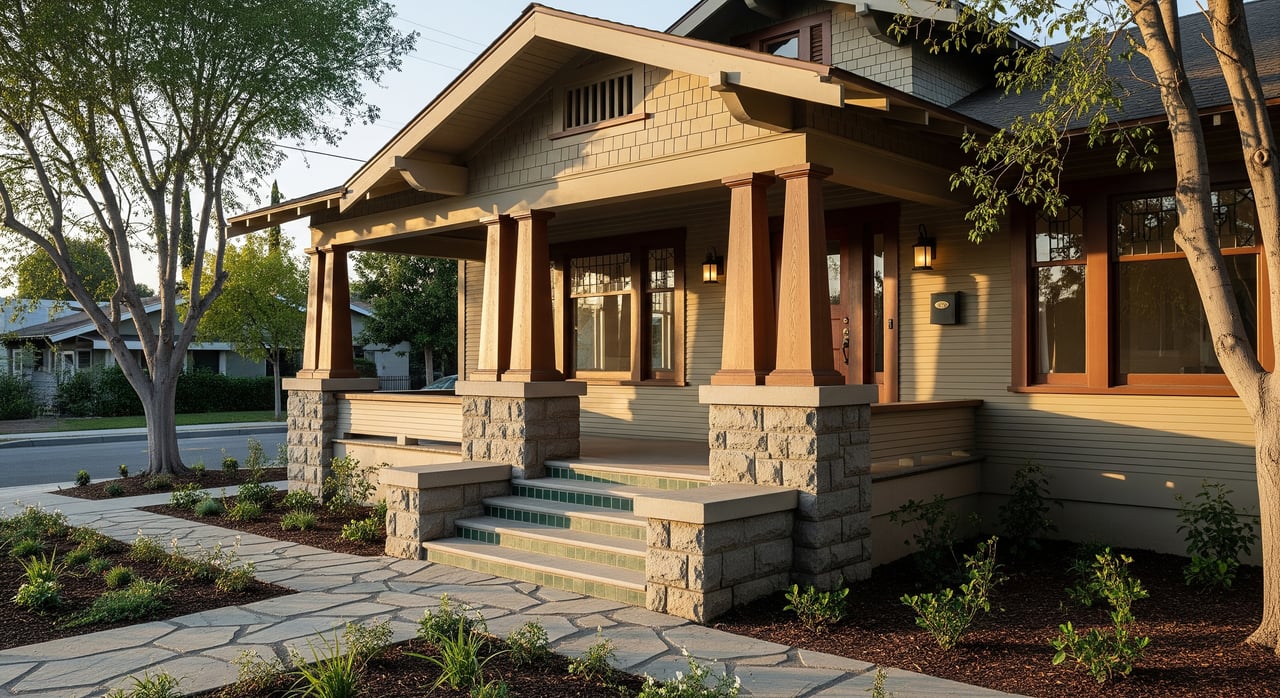
Craftsman bungalow
Era: about 1905 to 1930. The most common historic type here.
How to recognize it:
- Low-pitched gabled roofs with wide eaves and exposed rafters.
- Tapered or square porch columns on stone or masonry piers.
- Wood siding or shingles and multi-pane-over-single windows.
Inside, look for built-in cabinetry, window seats, hardwood floors, and original fireplaces. Floor plans are modest and often started as 1 to 2 bedrooms, though many have rear or second-story additions. Historic character is prized, and intact details can boost appeal. Expect maintenance needs in older systems unless updated.
Spanish Colonial Revival
Era: roughly 1915 to 1940s, with later interpretations.
Tell-tale features include stucco walls, red clay tile roofs, arches, and wrought-iron accents. You may find small courtyards or arcades and tile entries. Interiors in older examples can have smaller rooms and plaster walls, often later remodeled with modern kitchens and baths. Stucco and roof upkeep are common considerations.
American Foursquare and Victorian
Less common but present near the older core. Foursquares are boxy with full-width porches and simple, square footprints. Victorian-era homes show ornamented trim, steeper roofs, and asymmetry. Interiors usually have separate rooms and taller ceilings that feel airy.
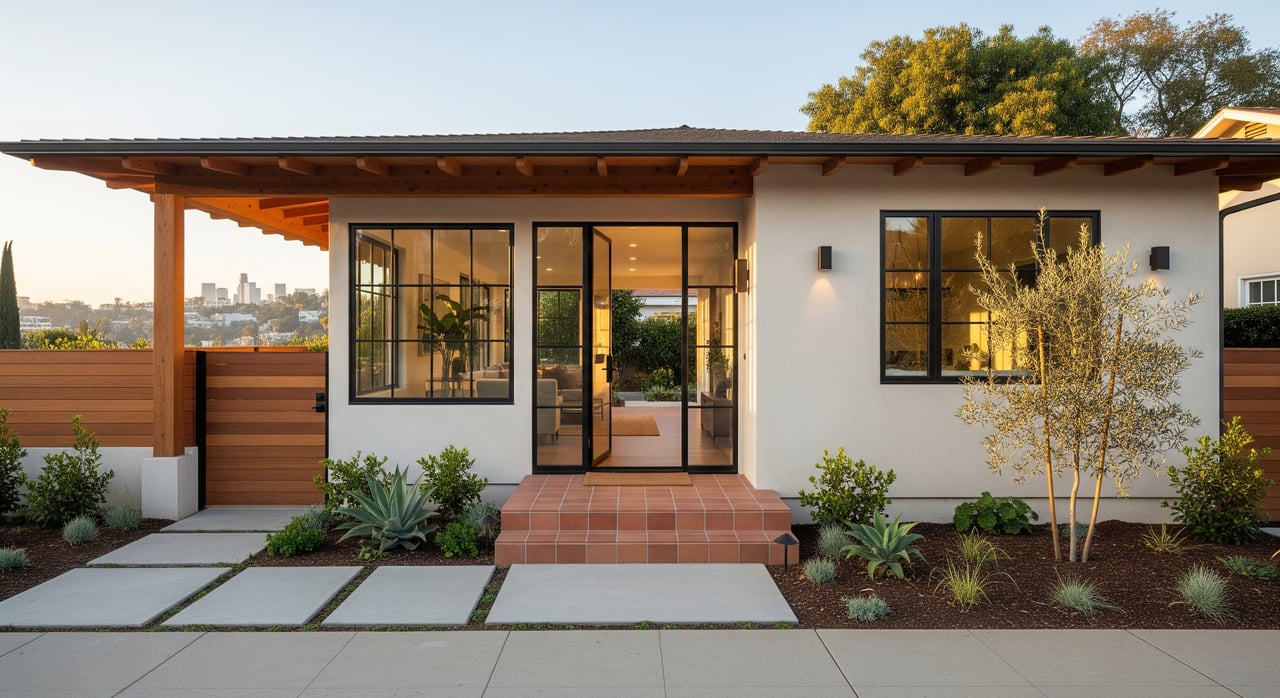
Mid-century ranch
Era: 1940s to 1960s. These homes are popular for single-level living.
Look for low, horizontal profiles, simple rooflines, and attached garages. Interiors lean more open than early bungalows, with larger bedrooms and a direct indoor-outdoor flow. Buyers like how easy it is to open these plans further and connect living, dining, and kitchen spaces.
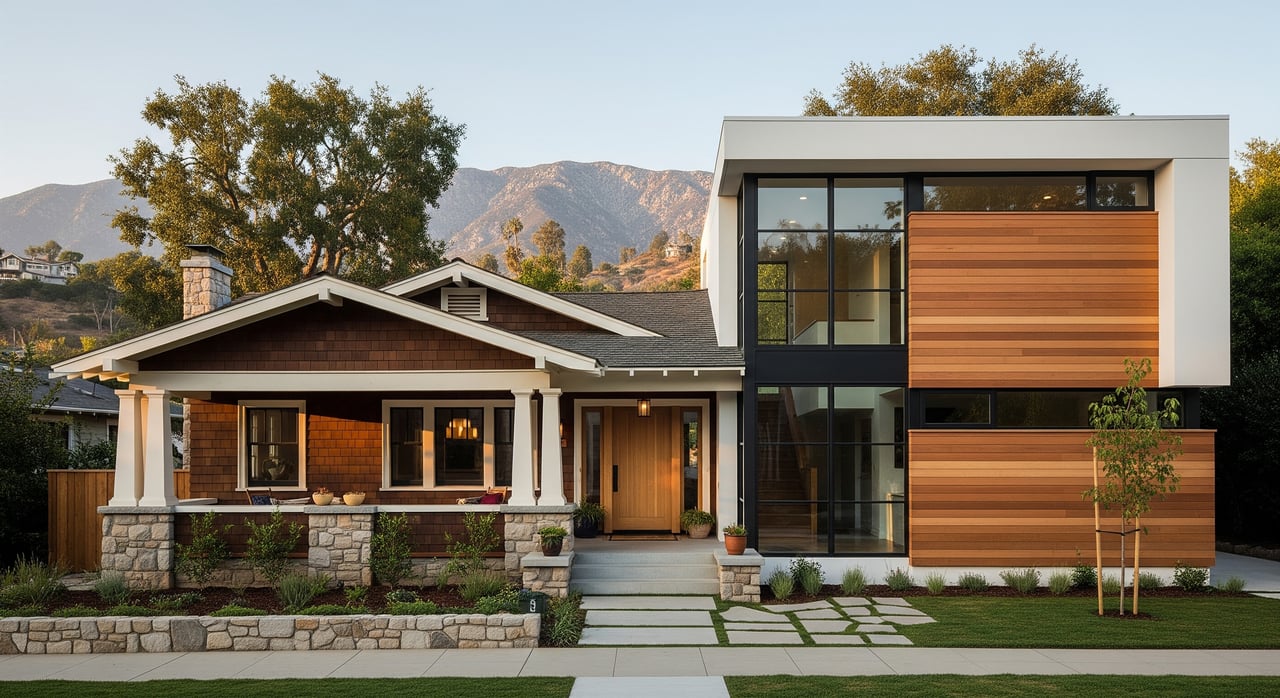
Contemporary and hillside custom
Era: 1970s to present, often newer or heavily remodeled.
Expect asymmetrical forms, mixed materials like glass, stucco, and wood, and large windows to capture views. Multi-level plans adapt to slope, with open-concept living, modern kitchens, and generous decks or terraces. These homes emphasize views and privacy. Construction and access on steep lots bring unique structural and maintenance considerations.
Typical floor plans and sizes
Downtown and older neighborhoods
Original bungalows and cottages often started around 800 to 1,400 square feet with one story. Many now measure 1,200 to 2,000-plus square feet after additions. Layouts typically include defined living and dining rooms, compact kitchens, and 1 to 3 bedrooms. Enclosed porches appear on many early homes and may have been converted to living space.
Ranch and mid-century
Most ranch-era homes are single-story and about 1,200 to 2,500 square feet. Plans favor more open circulation, larger kitchens facing the backyard, and attached garages. These layouts adapt well to modern updates that increase light and flow.
Hillside and contemporary
Hillside properties vary widely, often in the 1,500 to 4,000-plus square foot range. They typically use split-level or multi-level designs that fit the slope. Main living areas may sit on upper floors for views, with bedrooms or garages below. Stairs are common, so consider mobility needs and guest access.
Lot types in the foothills
Flat, walkable lots
Near downtown, lots tend to be smaller and easier for additions or ADUs. Site prep costs are usually lower. Usable yards and simple driveway access make daily living and parking straightforward.
Moderate slopes
These lots often require grading, retaining walls, and terraced landscaping. Driveways may curve or step down with the grade. Maintenance focuses on drainage, irrigation, and periodic checks of terraces and walls.
Steep hillside parcels
Steep lots trade yard size for views and privacy. Expect switchback driveways, multi-level decks, and higher long-term maintenance for structures and drainage. Geotechnical reports are standard for significant remodels or additions. Foothill vegetation and defensible space also become key factors.
What drives resale value
Certain features consistently draw buyers and support future resale.
High-impact features:
- Location benefits: proximity to the village core, scenic views, privacy, and good orientation.
- Architectural integrity: intact Craftsman woodwork, original built-ins, period windows in good condition.
- Updated kitchens and baths with modern systems.
- Open-plan living and strong natural light.
- Outdoor living spaces: flat yards near town or well-designed terraces on slopes.
- Off-street parking and garage space, plus reasonable guest parking.
- Structural and safety upgrades: seismic retrofits, foundation work, permitted retaining walls.
- Energy and systems upgrades: newer HVAC, roof, windows, and solar where appropriate.
Medium or situational impact:
- Original small-room layouts support authenticity but can limit appeal unless reworked thoughtfully.
- Historic designation can enhance value for preservation-minded buyers but may add review steps for exterior changes.
Regulatory and inspection basics
Historic review and designations
Sierra Madre tracks historic resources and can require review for exterior changes in recognized areas. Always confirm status with city planning before planning a remodel. Some California cities use Mills Act agreements that can affect taxes and renovation rules. Check the specific property’s status.
Permits and past work
Many older homes have seen additions, enclosed porches, or garage conversions. Ask for a complete permit history. Inspections should review electrical, plumbing, HVAC, and any structural changes to confirm they were permitted and done correctly.
Geotechnical and retaining walls
For slope properties, request geotechnical documentation, foundation details, and records for major grading or walls. Inspect for cracks, out-of-plumb walls, and doors or windows that stick. Clarify who owns and maintains shared or boundary retaining walls.
Wildfire risk and insurance
Foothill homes may be located in or near wildland-urban interface zones. Plan for vegetation management and defensible space. Discuss insurance early in escrow to confirm availability and premiums. Wildfire risk can affect underwriting.
Earthquake safety
Ask inspectors to assess cripple walls, foundation bolting, chimneys, and any unreinforced masonry. Seismic retrofits can improve safety and marketability.
ADUs and zoning
California law supports ADUs, but local rules on setbacks, grading, and hillside conditions still apply. Flat lots are often simpler candidates. Steeper lots may face geotechnical and access constraints. A preliminary feasibility check with the city is a smart early step.
Utilities and access
Confirm water and sewer connections and locate the meter. Understand who is responsible for the sewer lateral. Long or gated driveways can affect service access, deliveries, and emergency response, so factor that into your plans.
Your due-diligence checklist
- Pull a full permit history and city records.
- Order a general home inspection, plus roof, foundation or structural, sewer lateral, pest, and a geotechnical report for slope sites or new work.
- Confirm historic status and any exterior review requirements.
- Request disclosures about unpermitted work and ask for as-built plans when available.
- Verify utilities and sewer connections with public works.
- Review wildfire guidance and defensible space needs for the address.
- Consult an insurance broker on wildfire and earthquake coverage before removing contingencies.
- If planning an addition or ADU, obtain a preliminary zoning and feasibility review.
Touring tips by home style
Use these quick cues to focus your in-person tours.
- Craftsman bungalow: Check the condition of original woodwork, windows, and fireplaces. Look for thoughtful additions that respect the original scale. Verify electrical and plumbing updates.
- Spanish Revival: Inspect stucco and clay tile roof condition. Confirm any courtyard or patio drainage solutions. Review window upgrades for energy efficiency without losing character.
- Foursquare or Victorian: Look for foundation and structural updates that support the taller massing. Confirm that interior wall changes were permitted.
- Mid-century ranch: Evaluate roof, HVAC, and window upgrades. See how the kitchen connects to the backyard and whether the plan supports easy open-concept updates.
- Contemporary hillside: Review geotechnical documentation, retaining walls, and drainage. Test access, parking, and stair circulation for daily usability.
Next steps
Finding the right fit in Sierra Madre comes down to aligning your preferred style with the lot type, layout, and long-term maintenance plan. When you pair architectural character with solid systems, strong outdoor spaces, and documented upgrades, you position yourself for comfort and resale.
If you want a local, data-driven approach to compare styles, lots, and due diligence, reach out to Giusy Mele-Brown. She brings hands-on guidance and San Gabriel Valley expertise to help you buy with confidence.
FAQs
What are the main Sierra Madre home styles?
- You will see Craftsman bungalows, Spanish Revival, some Foursquare and Victorian-era homes, mid-century ranch properties, and contemporary hillside customs.
How do hillside lots affect maintenance and access?
- Steeper parcels often need drainage solutions, retaining wall upkeep, and geotechnical documentation, plus they may have switchback driveways and multi-level stairs.
Are Craftsman homes usually small in Sierra Madre?
- Many began as 800 to 1,400 square foot cottages and were later expanded, so sizes vary; expect modest original footprints with additions that add living space.
What inspections are most important for foothill properties?
- In addition to general, roof, pest, and sewer inspections, hillside homes warrant structural and geotechnical evaluations, plus documentation for grading and retaining walls.
Do historic designations limit remodeling options?
- Historic status can add exterior review steps and design guidelines, but it can also enhance value; always check with city planning for requirements on specific changes.
Can I add an ADU on a Sierra Madre property?
- California law supports ADUs, but hillside sites may face grading and geotechnical constraints; flat lots near downtown are typically easier for ADU development.